Discover the Richness of West African Cuisine
Updated: Apr 30
West African cuisine is a vibrant tapestry of flavors, colors, and traditions that reflect the diverse cultures of the region. From spicy stews to hearty grains, the food of West Africa offers a unique culinary experience that is both satisfying and rich in history. This blog post will take you on a journey through some of the most beloved West African dishes, exploring their ingredients, preparation methods, and cultural significance.
Exploring Popular West African Dishes
West African dishes are known for their bold flavors and use of fresh, local ingredients. Staples like yams, cassava, plantains, and rice form the base of many meals, often accompanied by rich sauces made from tomatoes, peppers, and spices. Here are some popular dishes you should know:
Jollof Rice: A beloved one-pot dish made with rice cooked in a tomato and pepper sauce, often served with chicken, fish, or beef. It is a party favorite across many West African countries.
Egusi Soup: Made from ground melon seeds, this thick soup is usually cooked with leafy vegetables, meat, and fish. It is commonly eaten with fufu, a starchy side made from pounded yams or cassava.
Suya: A spicy grilled meat skewer, typically beef or chicken, seasoned with a dry rub of peanuts and chili powder. It is a popular street food enjoyed with sliced onions and tomatoes.
These dishes showcase the diversity and depth of West African cooking, combining indigenous ingredients with centuries-old culinary techniques.
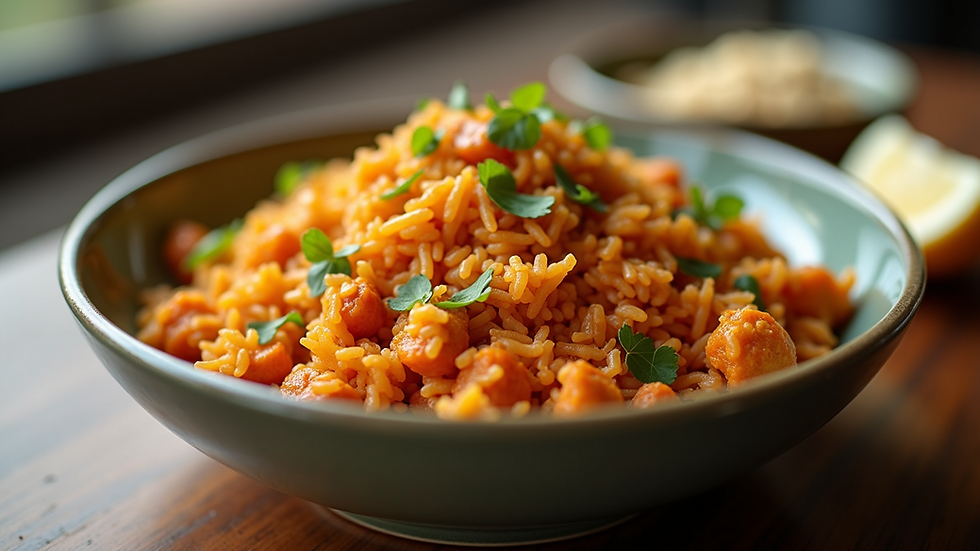
The Essence of West African Dishes
The essence of West African dishes lies in their communal nature and the use of natural, wholesome ingredients. Meals are often shared among family and friends, emphasizing togetherness and celebration. The cooking methods vary from slow simmering to grilling, each bringing out unique flavors.
Key ingredients that define West African dishes include:
Spices and Herbs: Chili peppers, ginger, garlic, and local herbs add heat and aroma.
Legumes and Grains: Beans, lentils, millet, and fonio provide protein and texture.
Vegetables: Leafy greens like spinach and bitterleaf are common in soups and stews.
Proteins: Fish, goat, chicken, and beef are widely used, often smoked or dried for preservation.
Understanding these components helps appreciate the balance and complexity of West African cuisine.

What kind of food do they eat in the West?
In the western part of West Africa, the cuisine reflects the coastal geography and cultural influences. Seafood is abundant, and dishes often feature fish and shellfish. Some typical foods include:
Pepper Soup: A spicy broth made with fish or meat, flavored with local spices and herbs. It is believed to have medicinal properties.
Banku and Tilapia: Banku is a fermented corn and cassava dough served with grilled tilapia and a pepper sauce called shito.
Waakye: A popular street food consisting of rice and beans cooked together, served with a variety of sides like boiled eggs, spaghetti, and fried plantains.
These dishes highlight the coastal flavors and the use of fermentation, which adds depth and tanginess to the food.

How to Experience Authentic West African Cuisine
To truly appreciate West African dishes, consider these practical tips:
Try Cooking Classes: Participating in a cooking class can provide hands-on experience with traditional recipes and techniques. For example, you can explore west africa food through immersive Ghanaian cooking classes.
Visit Local Markets: Shopping at local markets allows you to discover fresh ingredients and learn about their uses from vendors.
Experiment with Spices: Start with basic spice blends like suya seasoning or ground egusi seeds to add authentic flavors to your dishes.
Pair with Traditional Sides: Serve stews and soups with fufu, banku, or rice to complete the meal.
Explore Regional Variations: Each country and ethnic group has its own twist on classic dishes, so try recipes from different areas to broaden your palate.
By engaging with the culture behind the food, you can enjoy a richer and more meaningful culinary experience.
The Cultural Significance of West African Food
Food in West Africa is more than sustenance - it is a vital part of social and cultural identity. Meals are often tied to celebrations, rituals, and storytelling. For example:
Festivals: Special dishes are prepared during festivals to honor ancestors and deities.
Hospitality: Offering food to guests is a sign of respect and friendship.
Rites of Passage: Certain foods mark important life events like weddings and naming ceremonies.
Understanding these cultural contexts adds depth to your appreciation of West African dishes and their role in community life.
Exploring West African cuisine opens a window into a world of rich flavors and traditions. Whether you are a food enthusiast or a curious traveler, discovering these dishes offers a delicious way to connect with the heart of West Africa.


Comments