Authentic Traditional Ghanaian Dishes to Try
- 7 days ago
- 4 min read
Ghanaian cuisine is a vibrant tapestry of flavors, colors, and textures that reflect the rich cultural heritage of the country. From hearty stews to flavorful soups and unique side dishes, traditional Ghanaian dishes offer a delightful culinary experience. Whether you are a seasoned cook or a curious food lover, exploring these authentic recipes will bring a taste of Ghana right to your kitchen.
Exploring Traditional Ghanaian Dishes
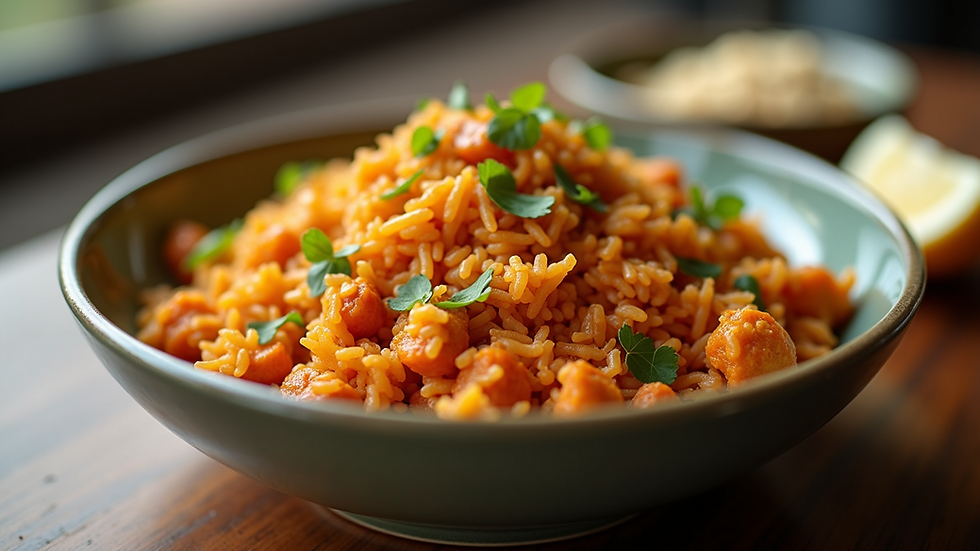
Traditional Ghanaian dishes are known for their bold use of spices, fresh ingredients, and diverse cooking techniques. Staples like yams, plantains, cassava, and rice form the base of many meals, often accompanied by rich sauces made from tomatoes, peppers, and local herbs. One of the most popular dishes is Jollof rice, a one-pot meal cooked with tomatoes, onions, and a blend of spices, often served with fried plantains or grilled meat.
Another beloved dish is Banku and Tilapia. Banku is a fermented corn and cassava dough cooked into a smooth, slightly sour dough, typically paired with grilled tilapia and a spicy pepper sauce called shito. This combination offers a perfect balance of flavors and textures that is both satisfying and authentic.

Jollof rice with fried plantains - a classic Ghanaian meal
Popular Traditional Ghanaian Dishes You Should Try
Here are some must-try traditional Ghanaian dishes that showcase the diversity and richness of the cuisine:
1. Fufu and Light Soup
Fufu is a staple made by pounding boiled cassava, yams, or plantains into a smooth, stretchy dough. It is usually served with light soup, a tomato-based broth with meat or fish. The soup is spicy and flavorful, making it a perfect complement to the mild fufu.
2. Kelewele
Kelewele is a popular street food made from ripe plantains seasoned with ginger, chili, and other spices, then fried until crispy. It is often enjoyed as a snack or side dish and pairs well with peanuts or a cold drink.
3. Waakye
Waakye is a rice and beans dish cooked with dried millet leaves, which give it a distinctive reddish color and unique flavor. It is typically served with a variety of sides such as boiled eggs, spaghetti, avocado, and fried fish or meat.
4. Red Red
Red Red is a bean stew made from black-eyed peas cooked in palm oil with tomatoes, onions, and spices. It is usually served with fried plantains and is a favorite among vegetarians and meat-eaters alike.
5. Kenkey and Fish
Kenkey is fermented corn dough wrapped in corn husks and boiled. It has a sour taste and is commonly eaten with fried fish, shito (spicy sauce), and sliced onions. This dish is a staple along the coast of Ghana.

Kenkey with fried fish and spicy shito sauce
Tips for Cooking Authentic Ghanaian Meals at Home
Cooking traditional Ghanaian dishes at home can be a rewarding experience. Here are some practical tips to help you get started:
Use fresh ingredients: Fresh tomatoes, peppers, onions, and herbs are essential for authentic flavors.
Master the basics: Learn how to prepare staples like fufu, banku, and kenkey, as they form the foundation of many meals.
Spice it up: Ghanaian food is known for its heat, so don’t be shy with chili peppers and spices.
Cook in stages: Many dishes require slow cooking or simmering to develop deep flavors.
Experiment with sides: Pair your main dishes with traditional sides like fried plantains, gari (grated cassava), or kontomire (cocoyam leaves).
For those interested in exploring more, you can find a variety of ghanaian recipes online that provide step-by-step instructions and ingredient lists.
The Cultural Significance of Ghanaian Food
Food in Ghana is more than just sustenance; it is a vital part of social and cultural life. Meals are often shared communally, symbolizing unity and hospitality. Traditional dishes are served during festivals, family gatherings, and important ceremonies, reflecting the country’s diverse ethnic groups and their culinary traditions.
Understanding the cultural context of these dishes enhances the cooking and dining experience. For example, the preparation of fufu involves a communal effort, often bringing family members together. Similarly, the spicy sauces and stews tell stories of the land’s agricultural bounty and the creativity of its people.
Bringing Ghanaian Flavors to Your Table
Trying authentic traditional Ghanaian dishes is a wonderful way to explore new tastes and cooking methods. Whether you start with a simple snack like kelewele or dive into a full meal of banku and tilapia, you will discover the warmth and richness of Ghanaian cuisine.
Remember to source quality ingredients and take your time with preparation. The joy of cooking these dishes lies not only in the final taste but also in the process and the stories behind them. Invite friends or family to share the meal and enjoy a true taste of Ghana.
Authentic Ghanaian dishes offer a unique culinary adventure that is both flavorful and deeply rooted in tradition. By trying these recipes, you can experience the heart of Ghana’s food culture and bring a piece of its heritage into your home kitchen.


Comments